AI and Autonomy in Contested Operations: Preparing for DDIL Environments
AI and autonomous systems will reshape U.S. military operations, but their effectiveness depends on resilience in denied, degraded, intermittent, and limited (DDIL) environments created by adversary jamming and cyber-attacks.
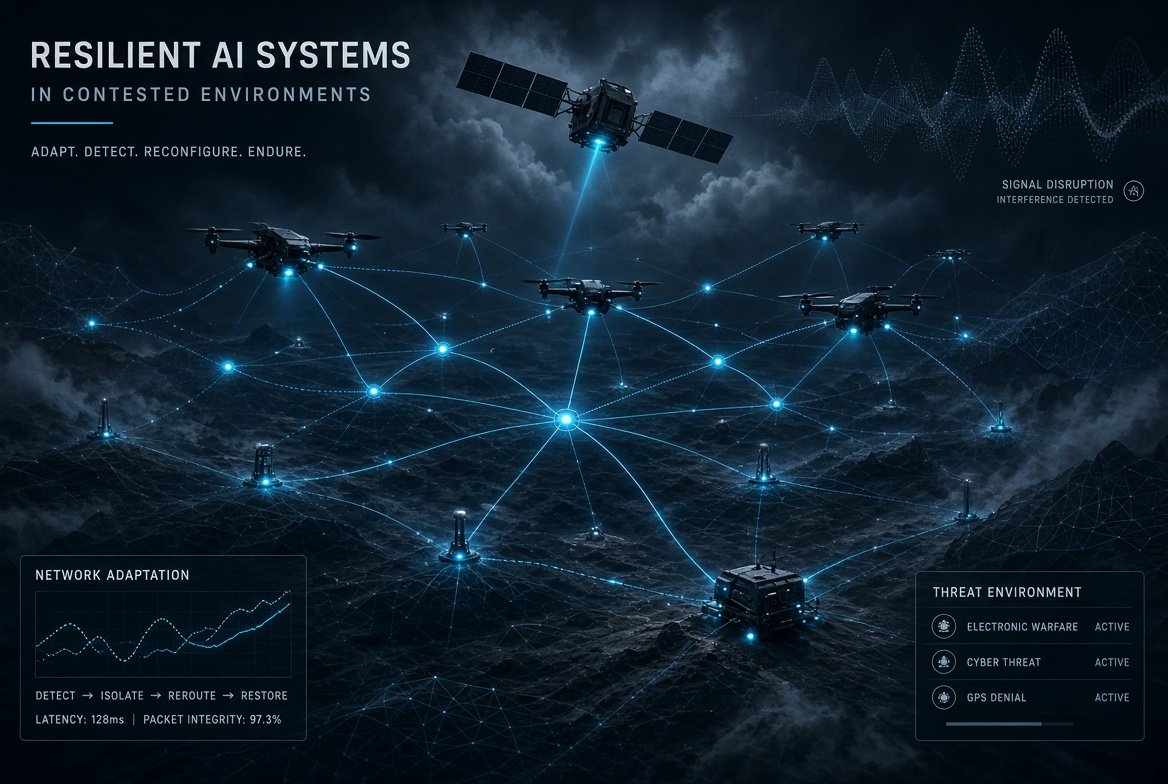
The integration of artificial intelligence and autonomous systems into military operations is fundamentally transforming how the United States plans for, conducts, and sustains major conflicts. From AI-enabled targeting systems to autonomous unmanned platforms, these technologies promise to enhance situational awareness, accelerate decision-making cycles, and reduce the risk to human operators. However, these same technologies introduce new vulnerabilities when operating in contested electromagnetic and cyber environments — what defense planners refer to as DDIL (Denied, Degraded, Intermittent, and Limited) conditions.
Owen J. Daniels of the Atlantic Council provides a comprehensive analysis of how adversary capabilities — including anti-satellite weapons, electronic warfare systems, and sophisticated cyber-attack platforms — can sever or degrade the connectivity that AI-enabled systems depend on. The report argues that U.S. forces must prepare for a future where autonomous platforms must function with minimal human oversight, limited communication with command centers, and degraded sensor inputs. This is not a hypothetical scenario: peer adversaries like China and Russia have already demonstrated capabilities to disrupt satellite communications, jam GPS signals, and conduct cyber operations against military networks.
The report identifies three priority areas for building AI resilience in DDIL environments. First, developing resilient communication architectures that can operate in contested electromagnetic environments. This includes investing in low-probability-of-intercept waveforms, mesh networking capabilities that allow platforms to communicate peer-to-peer without central coordination, and space-based communication systems that are harder to disrupt. Second, training forces to operate AI systems under degraded conditions. Current training programs assume reliable connectivity and robust data links; the report argues that training must evolve to include DDIL-specific scenarios where operators must make decisions with incomplete information and limited system feedback. Third, establishing doctrinal frameworks for autonomous decision-making when human oversight is unavailable. This requires defining clear rules of engagement for autonomous systems operating independently, establishing accountability mechanisms, and developing ethical guidelines that align with international law.
The analysis also addresses the procurement implications of DDIL resilience. The report argues that the Department of Defense must integrate DDIL testing into all AI and autonomous system procurement decisions. Systems that perform well in permissive environments but fail under DDIL conditions should not be fielded, regardless of their capabilities in ideal conditions. This requires a shift in acquisition philosophy: from optimizing for peak performance to optimizing for degraded-environment performance. The report recommends establishing a dedicated DDIL testing and evaluation organization within the Office of the Under Secretary of Defense for Acquisition and Sustainment, with authority to certify systems before they enter production.
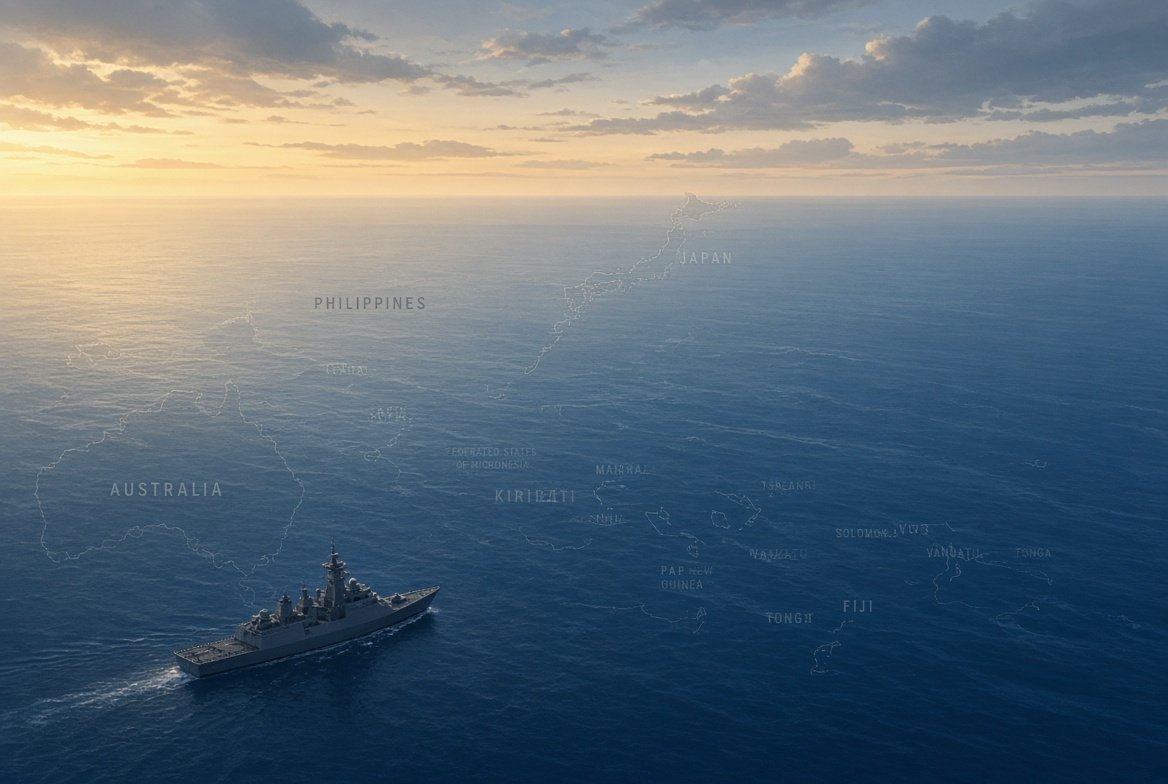
A fourth dimension of the challenge involves allied interoperability. The United States operates in coalition environments where partners may have different AI systems, different communication protocols, and different levels of DDIL resilience. The report recommends developing shared standards for AI-enabled coalition operations, including common data formats, interoperable communication protocols, and joint DDIL training exercises. This is particularly important for operations in the Indo-Pacific, where the U.S. relies heavily on allied cooperation for intelligence sharing, logistics, and force projection.
The report concludes with a call for sustained investment in AI resilience research and development. The authors argue that DDIL resilience is not a one-time engineering problem but an ongoing challenge that requires continuous investment, testing, and adaptation. As adversary capabilities evolve, so too must U.S. countermeasures. The report recommends establishing a national AI resilience research program, comparable in scope and ambition to the Defense Advanced Research Projects Agency (DARPA) programs that drove earlier waves of military technological innovation.