Germany’s Economic Recovery Meets Security Imperatives Under Merz
Early signs of recovery in Europe’s largest economy coincide with accelerated defence spending and political pressure from the far right. Chancellor Friedrich Merz’s government is attempting to combine fiscal stimulus, structural reform and a strengthened security posture — while navigating state elections that could reshape the political landscape.
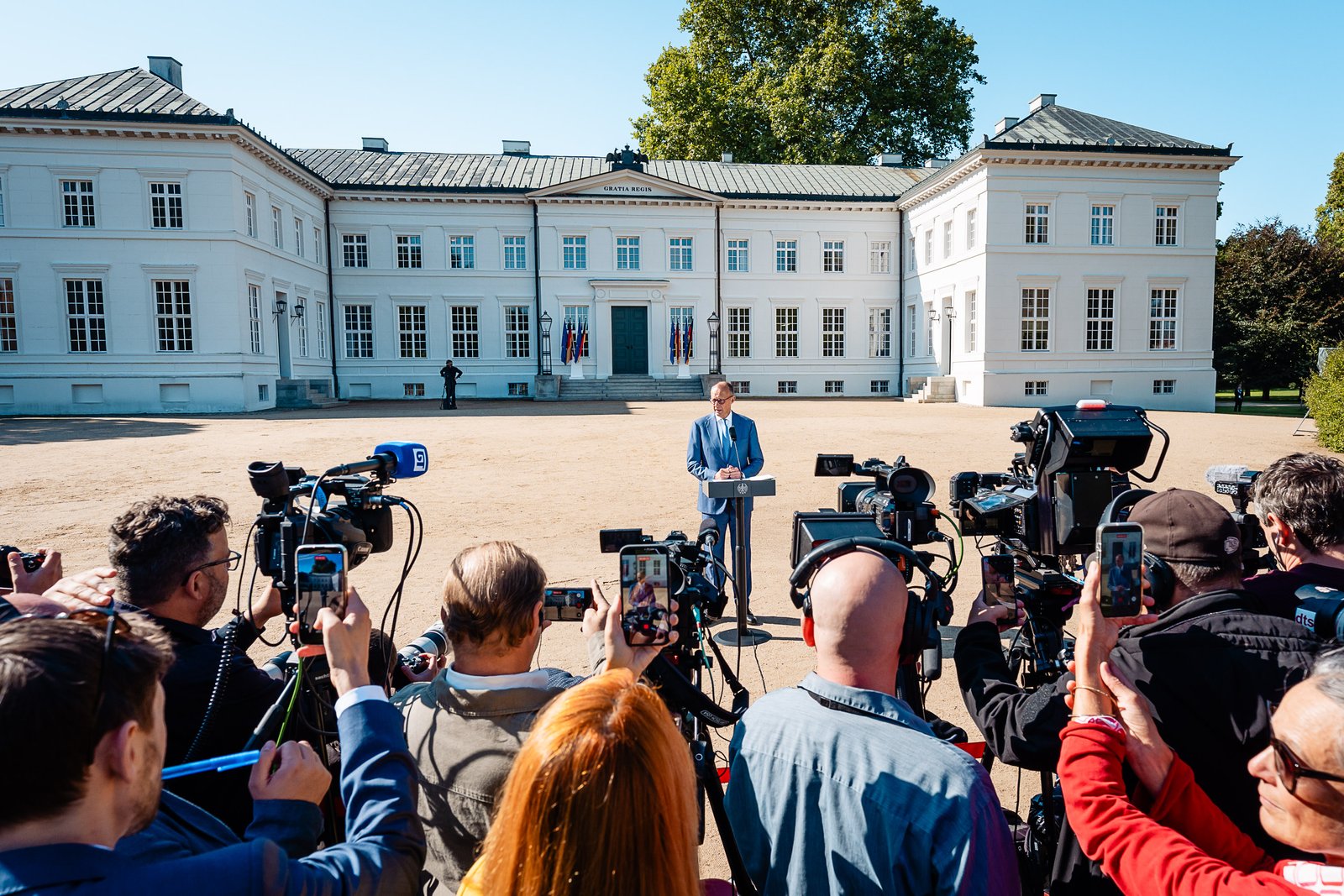
Germany is showing tentative but welcome signs of economic momentum after years of stagnation. Revised second-quarter data released in late August confirmed GDP growth of 0.3 percent, slightly stronger than initially reported, driven largely by exports. Business sentiment, as measured by the Ifo index, reached its highest level in a year. These indicators arrive against the backdrop of higher energy prices linked to Middle East tensions and persistent structural challenges, yet they suggest that Europe’s industrial powerhouse may finally be turning a corner.
Chancellor Friedrich Merz’s coalition has placed heavy emphasis on restoring competitiveness. A package of structural reforms agreed earlier in the year targets taxation, labour-market flexibility, pensions and bureaucracy reduction. Tax relief aimed at low- and middle-income households and families is scheduled to take effect in 2027. At the same time, the government is deploying a €500 billion special fund for infrastructure and climate neutrality over twelve years, alongside significantly expanded defence spending that has been partially exempted from the constitutional debt brake. Officials argue that these measures, taken together, can deliver growth of at least one percent in 2027.
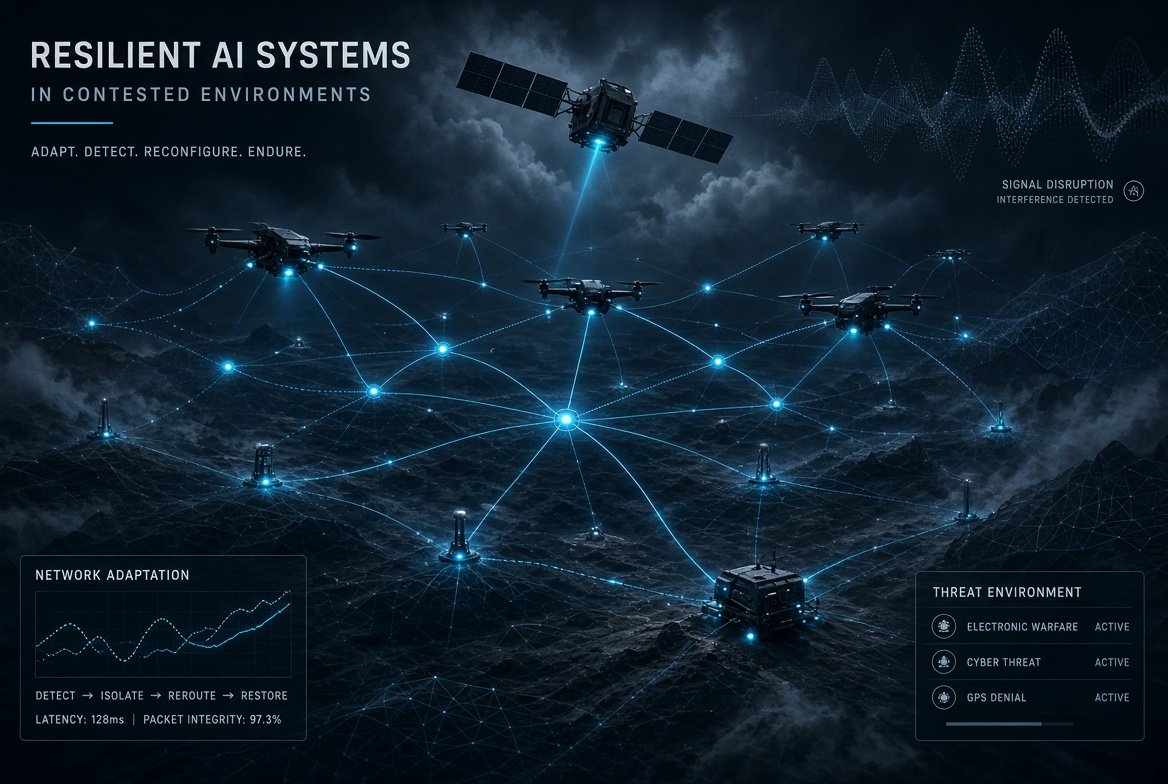
Defence modernisation remains a central pillar. Germany’s military budget continues its steep upward trajectory as part of the ongoing Zeitenwende. Investments span air defence, long-range strike capabilities, drones, space systems and logistics. The government is also deepening industrial cooperation with partners, including discussions around domestic production of intermediate-range missiles. This rearmament drive reflects both the enduring threat from Russia and uncertainty about the long-term reliability of American security guarantees in Europe.
Yet the political environment remains unsettled. State elections in Saxony-Anhalt, Berlin and Mecklenburg-Western Pomerania in September will test the strength of the Alternative for Germany (AfD). Chancellor Merz has warned that an AfD victory in eastern states would deter foreign investment and damage regional economic prospects. Mainstream parties continue to debate how best to contain the far right without alienating voters concerned about migration, energy costs and economic stagnation.
The Rhine’s recurrent low water levels and the lingering effects of energy price volatility illustrate the practical constraints still facing industry. Climate targets also remain under pressure; independent analyses suggest Germany risks missing its 2026 annual emissions pathway unless reductions accelerate. Balancing short-term growth, long-term industrial transformation, defence readiness and social cohesion is proving complex.
For businesses and investors, the emerging picture is one of cautious optimism tempered by political and external risks. Infrastructure and defence-related sectors are likely to see the earliest benefits from public spending. Export-oriented manufacturers are watching both global demand and the government’s ability to ease regulatory and energy-cost burdens. The coming months will reveal whether the current recovery gathers sustainable pace or remains fragile.
Germany’s dual challenge — revitalising its economic model while hardening its security posture — will shape not only its domestic trajectory but also Europe’s capacity to respond to geopolitical pressure. The Merz government has chosen a path of simultaneous fiscal stimulus and structural reform. Success will depend on consistent implementation, political stability and the ability to maintain public support amid competing priorities.